










Engineered Together. Optimized as One.
Axial Flux Electric Motor Co-Developed with Trust Automation
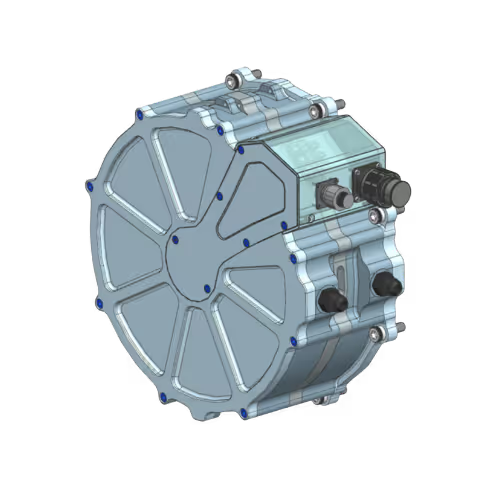
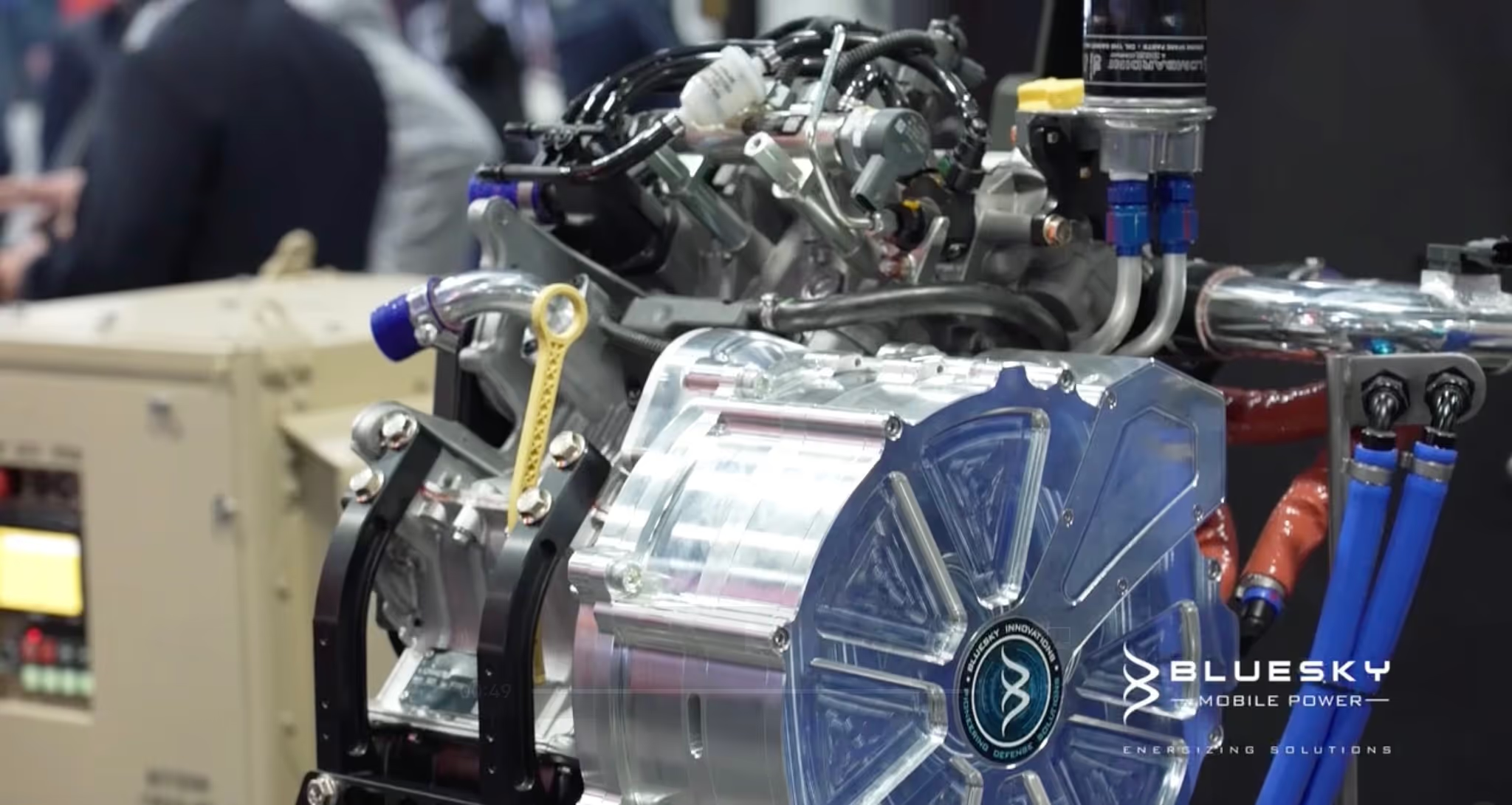
Most power companies buy a motor and adapt it. We co-developed ours with Trust Automation, precisely tuning it to the BMP-478 engine’s operating characteristics. The result is a motor that doesn’t just bolt onto our engine—it was born alongside it.
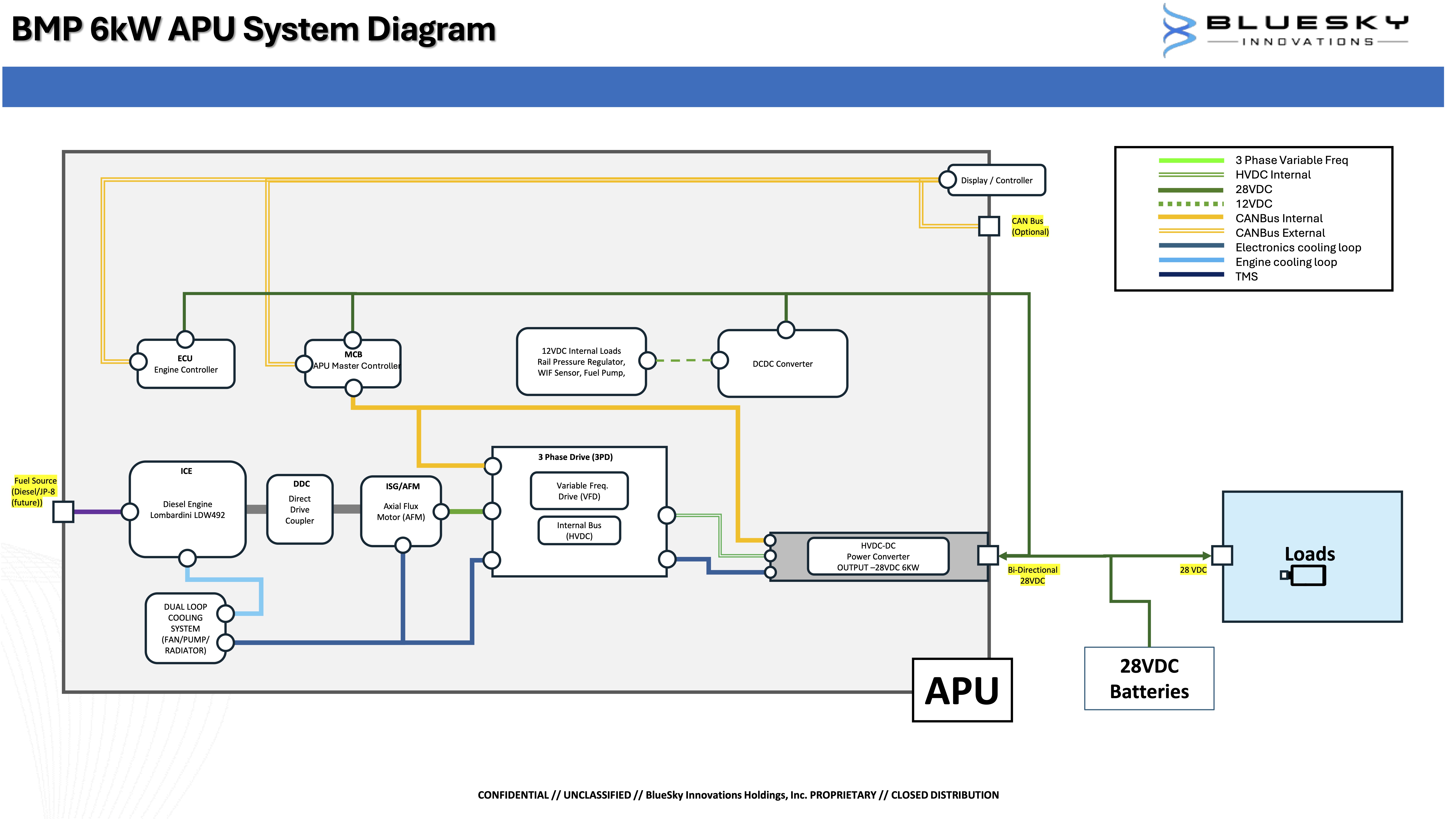
The twin-stator, single-rotor permanent magnet design delivers 15 kWe+ continuous power and better than 93% system efficiency across its full operating map—measured through both the integrated starter-generator and 3-phase drive conversion, not just the motor in isolation. That number is real, repeatable, and verified.
- 15 kWe+ continuous rated power
- Better than 93% system efficiency across the operating map (ISG + 3-phase drive)
- 100% water cooled; operates at 105°C+ water temperature at rated load
- Active rectification with advanced 3-phase drive
- IP65 sealed: dust-tight and protected against powerful water jets
- Pressure-equalized for altitude operations and air transport
- Dual-role: serves as integrated starter/generator, eliminating the need for a dedicated starter motor
- Configurable output: 28 VDC for traditional combat vehicles, 600 VDC for hybrid and autonomous platforms
Consistently low fuel consumption
Effortless Integration.
Custom Power Electronics by Trust Automation
Our power electronics aren’t adapted from another application—they’re designed and manufactured by Trust Automation specifically for the BMP-478 engine and axial flux motor combination. Full Digital Signal Processor (DSP) control with standard CANbus interface ensures precise, efficient operation and seamless integration into vehicle and fleet management architectures.
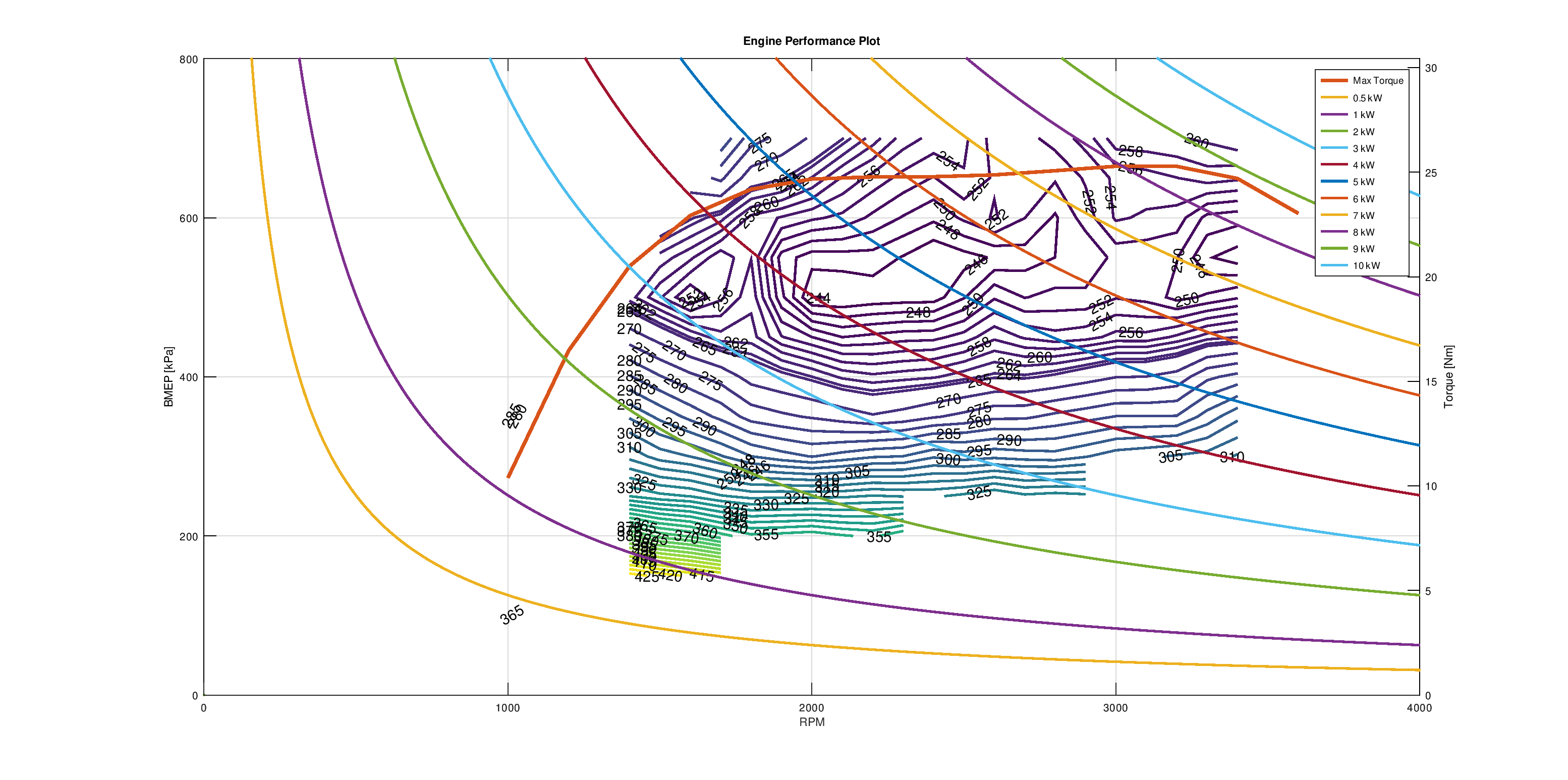
This is what makes the variable speed magic work: because the electronics aren’t dependent on a fixed engine speed, the system maintains a flat efficiency curve across the entire load range. That means consistently low fuel consumption whether you’re running 10% load or 100%—and zero wet-stacking, ever.
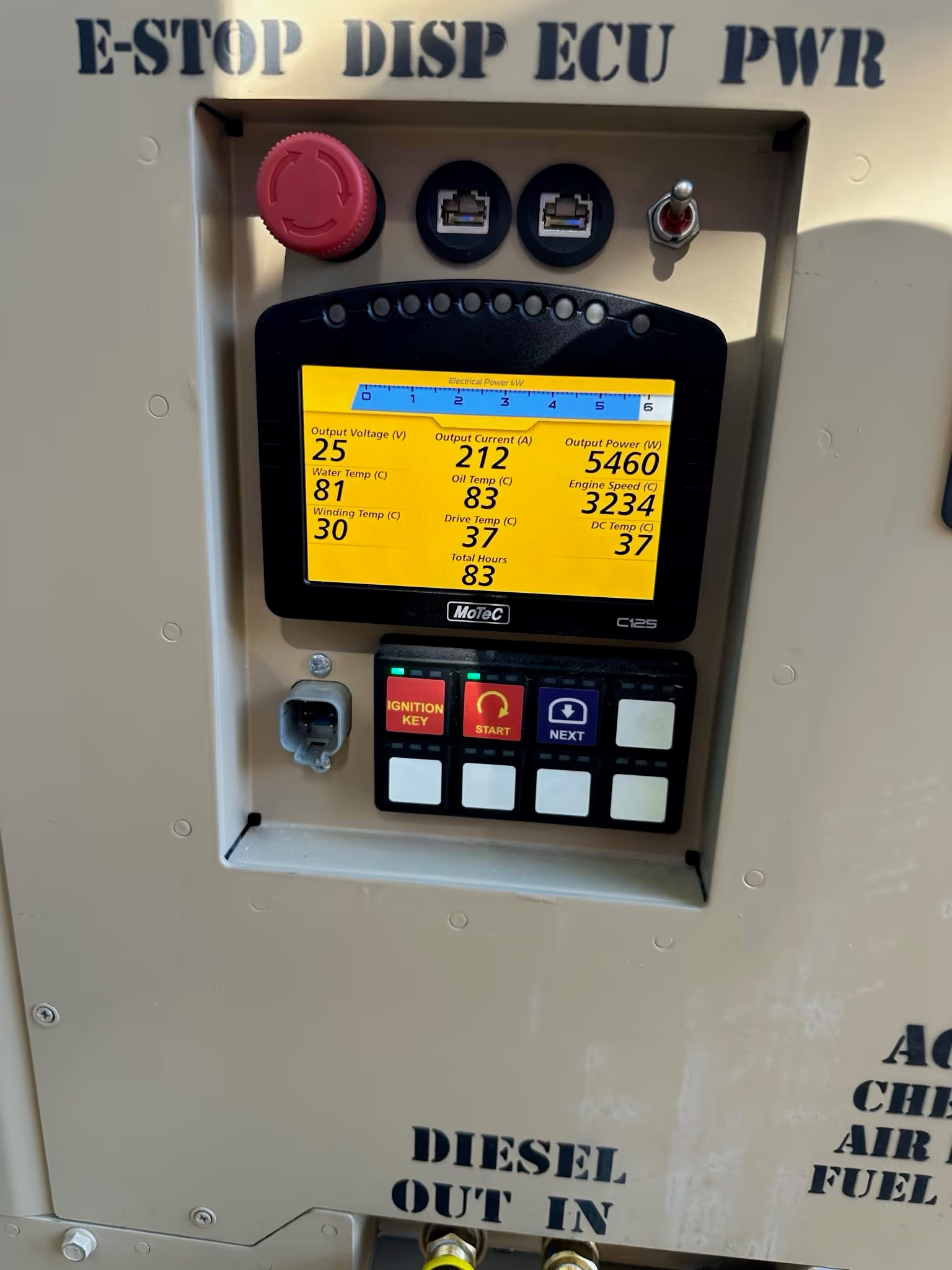
One platform. One supply chain. One training pipeline.
Three power classes that scale from squad-level C5ISR to vehicle-level hybrid drive.
- Electronic fuel injection with multi-shot combustion capability for lower noise and extended engine life
- Pressurized oil system for maneuvering capability at 15° inclination in any direction
- 5 kWe continuous without derating at 135°F ambient; up to 6.5 kWe in battle mode
- Variable speed operation eliminates wet-stacking and delivers up to 50% less fuel at part load than a fixed-speed generator
- Load-based maintenance intervals: 200-hour minimum, up to 500 hours. No valve adjustments, no drive belts
The Battlefield Doesn't Run at Full Power.
Neither Do We.
Variable-load hybrid power that adjusts with the fight — from quiet watch to full engagement — on JP8 the formation already carries.
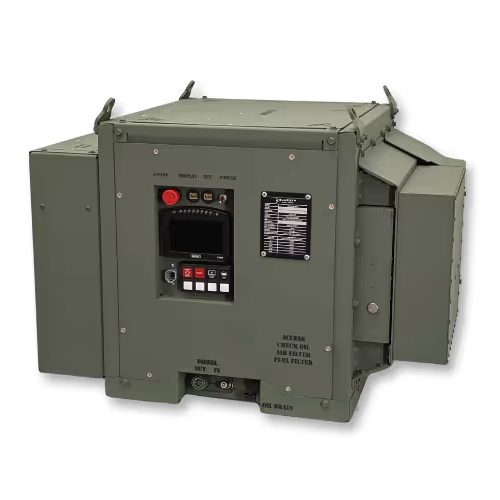
Every drone, every C5ISR system, every counter-UAS sensor, every radio needs a battery. None of them have a recharge station waiting on the objective. The only resupply available is the one resource that is always in the formation: JP8. The H-APU converts that fuel into the electrons the mission consumes — directly, efficiently, and without stopping.
But combat doesn't run at full power all the time. And neither do we.
The fight surges and goes quiet, and the power demand surges and goes quiet with it. Every fielded vehicle APU we have found runs a mechanical-injection engine governed to hold a voltage. It can follow only one curve, so it wastes fuel at light load and makes the same noise and heat whether the formation needs 500 watts or 5 kilowatts. The H-APU's engine is fueled to the load, not governed to a voltage: it is told how much power to make, not how fast to spin. Common-rail, multi-shot injection under software control keeps it efficient from standby to full load, and new behavior arrives as a firmware load, not a hardware change. That is the difference between technology that served the wars of the 2000s and what the Army needs for today's fight of drones, contested logistics and ever more power.
Jerry Can Math scores every power source in cans. One 5-gallon can of JP-8 holds about 185 kWh of heat energy; the jerry can is a diesel battery. What matters is how much of it reaches the load. A vehicle engine idling to run a few kilowatts turns that can into single-digit kilowatt-hours of electricity. A fixed-speed generator at the same light load gets roughly 25 to 40. The H-APU gets 41 to 50, because its engine is fueled to the load and runs in its sweet spot or not at all. A 3 kW command node becomes a 1.5-can-a-day node on the H-APU, instead of 4 to 6 cans a day on an idling heavy diesel. On one can the H-APU runs about 48 hours at 1 kW in quiet watch, 16 hours at 3 kW, and 8 hours flat out at 6 kW.
That is the real advantage: not just moving with the formation, but adjusting with it. Delivering lethality at full load when the fight is on, and preserving fuel and reducing signature when it's not. Survivability and lethality from the same system, at the same time.
Jerry Can Math: Runtime on One 5-Gallon Can of JP-8
Quiet Watch
Load: 1 kW
Formation monitoring, sensors passive, low-signature posture.
Active C5ISR
Load: 3 kW
Comms active, drone recharge cycling, command post operating.
Full Engagement
Load: 4.5 kW
Counter-UAS active, EW systems on, multiple drone sorties.
Peak Fight
Load: 6 kW
All systems at max draw — every platform running, every sensor active.
Why a Hybrid Architecture
Battery-only systems run out and have no organic resupply on the battlefield. Pure diesel systems are fuel-hungry at idle, loud when the formation needs quiet, and incapable of adapting to variable demand. Hybrid is the only architecture that does all three things at once: generates power from the fuel already in the formation, stores and buffers that power in whatever batteries the formation carries, and scales output precisely to what the mission demands at any given moment. Pound for pound, a can of JP-8 run through the H-APU carries about 50 times the usable electricity of a lithium 6T vehicle battery. The jerry can is the formation's energy store; the batteries are the buffer that lets the engine stop. Batteries are like kiting a check: good for one cycle, then you are back to charging.
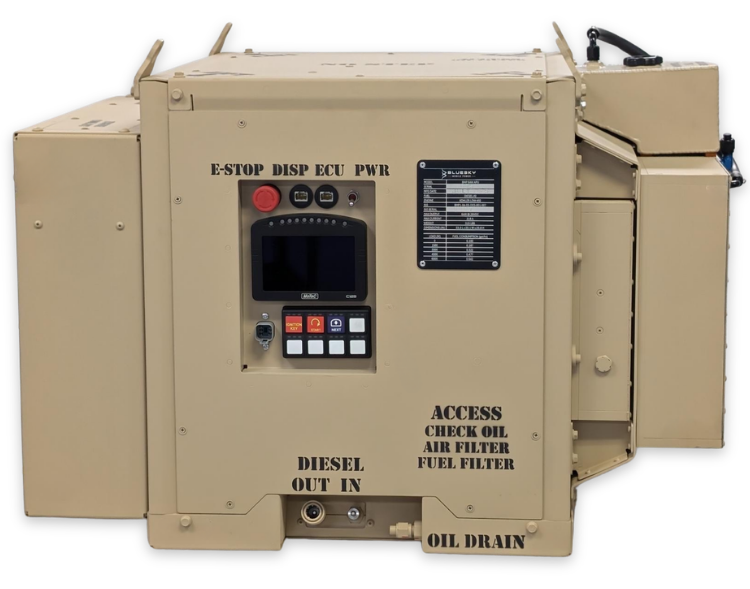
The H-APU brings no fuel tank and no battery of its own. It draws JP-8 from the vehicle's tank (or a jerry can or drum through quick-release lines) and manages the 6T batteries already in the vehicle, with a charge profile matched to their chemistry. It does not add a box to the truck; it hybridizes the truck the formation already owns. It moves with the formation, adjusts with the fight, and holds the load for as long as the fuel lasts.
Engine Heritage
An Old Soul with a New Heart
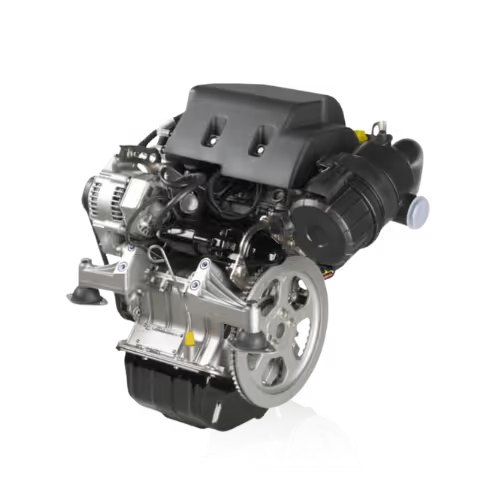
The BMP-478 is not a science project. It didn’t come out of a lab, a SBIR white paper, or a startup’s pitch deck. It is a production-proven, commercially deployed diesel engine with over 15 years of real-world service.
The Production Proven Story Behind the BMP-478
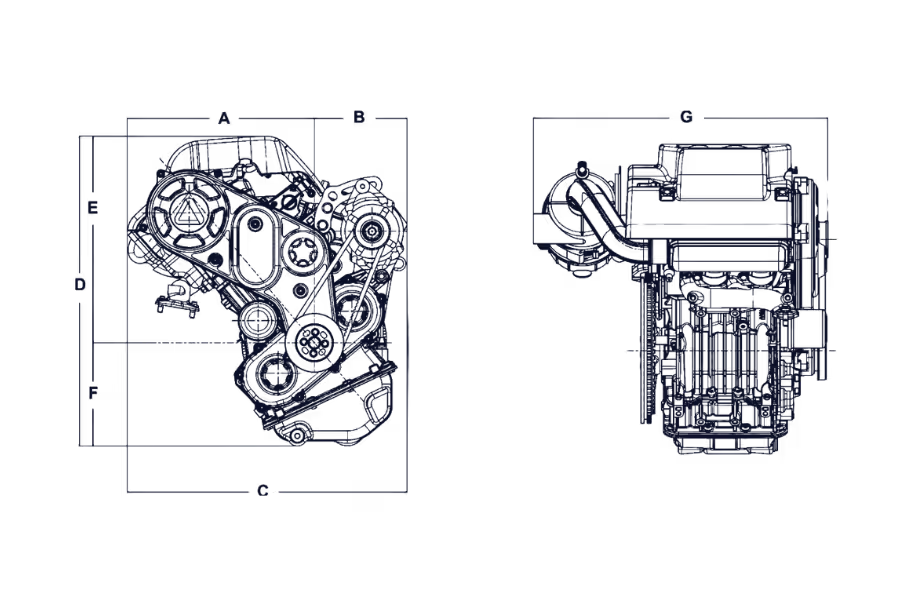
The engine was originally developed by a premier European engine manufacturer as a 478cc, 2-cylinder, liquid-cooled common rail diesel—purpose-built for the micro-vehicle and city car market. It powered brands across Europe in daily-use vehicles: stop-and-go urban traffic, cold starts in Scandinavia, summer heat in southern Italy, year after year. Tens of thousands were produced on an automated assembly line with full quality systems.
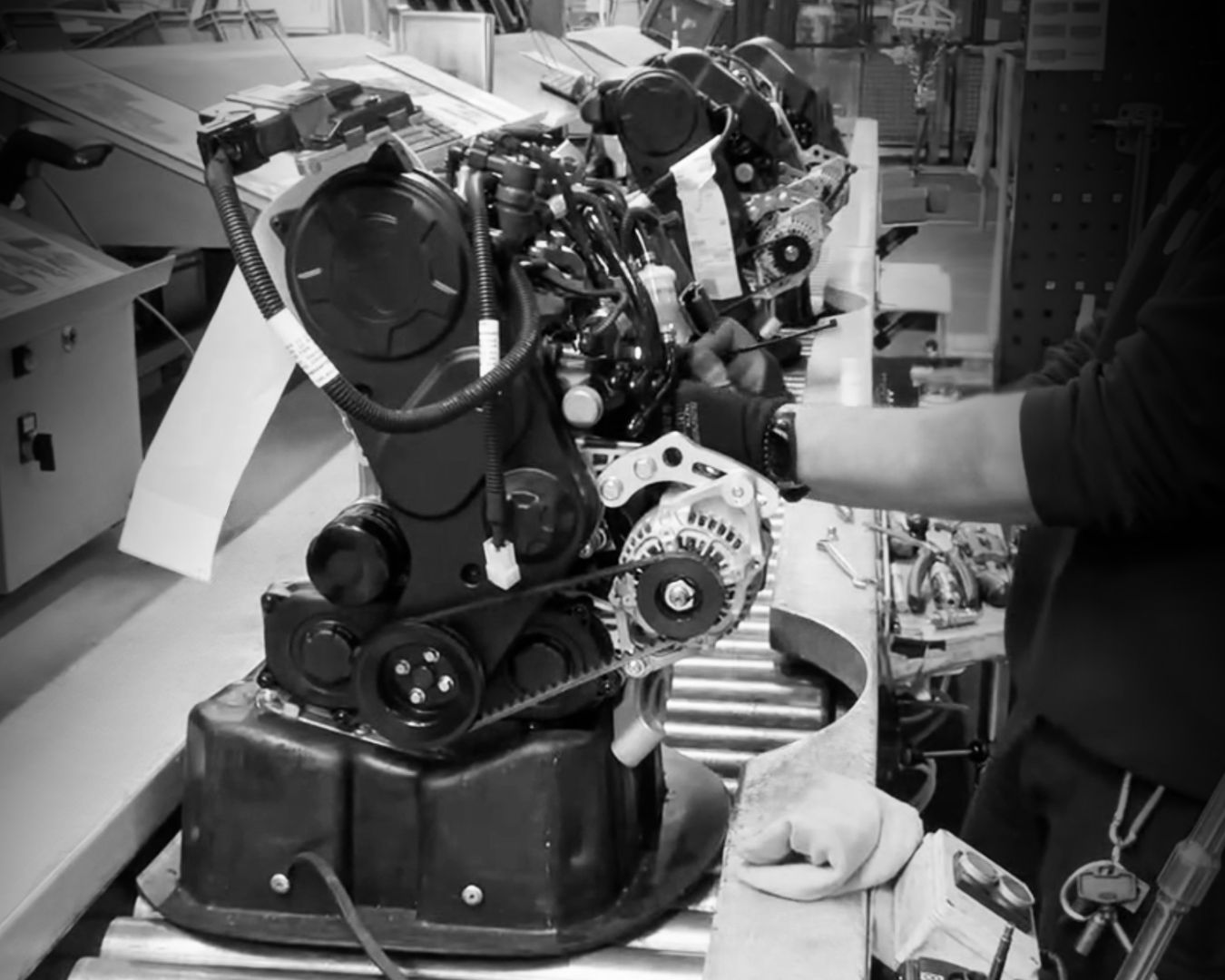
European Heritage
The European micro-car market demanded an engine that was impossibly light, whisper-quiet, and bulletproof reliable. That’s why the BMP-478 was built with:
- All-aluminum block: a weight savings no other engine in its class offers. The microcar market wouldn’t tolerate cast iron.
- Balance shafts — for smooth, low-vibration operation that no competitor in the military power space has. This is a feature you find in premium automotive engines, not tactical gensets.
- Common rail electronic fuel injection — from the factory, not bolted on as an afterthought. Multi-shot combustion capability for lower noise and extended engine life.
- Pressurized oil system — enabling reliable operation at angles, a byproduct of the automotive design requirements.
This engine earned its reputation not in a laboratory, but on the streets of Europe—in the unforgiving cycle of real-world commercial production: factory floors, quality gates, warranty claims, and millions of operating hours.
Coming to America: Lexington, NC
When BlueSky acquired the full IP and production line during development of the H-APU for the U.S. Army, we didn’t get a prototype or a concept. We got a seasoned, world-class engine with a proven production history, established supplier relationships, and a mature manufacturing process.
We brought it to Lexington, North Carolina—in the heart of NASCAR country, Davidson County, where stock car racing has been part of the culture since NASCAR’s inaugural 1948 season. The Piedmont Triad region is home to Richard Childress Racing and dozens of motorsport engineering firms. The talent pool here doesn’t just know engines—they live and breathe them.
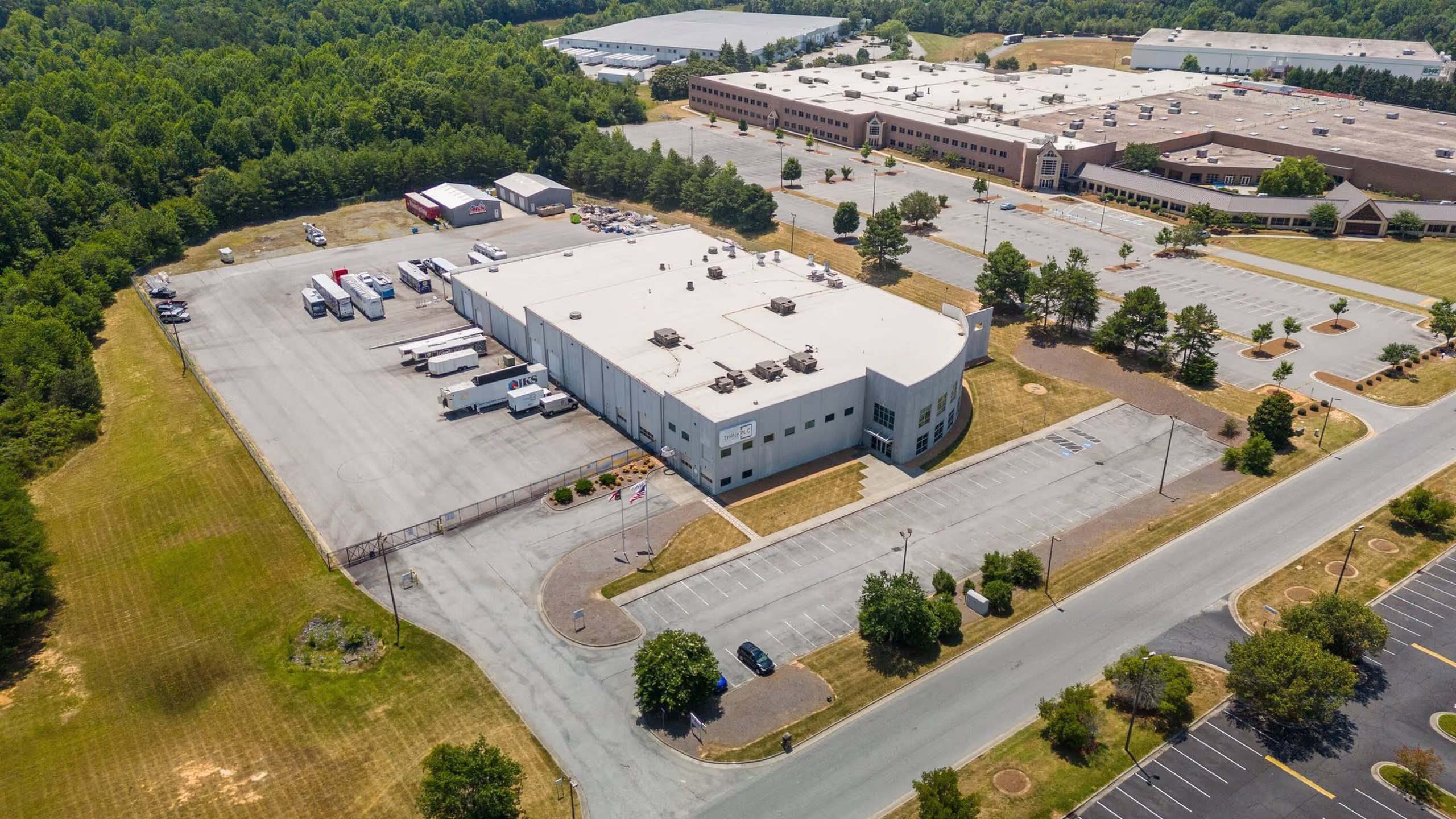
BlueSky’s new production facility at 301 Welcome Center Boulevard, Lexington, NC is a 70,000-square-foot manufacturing facility with a rich history of its own—it was built for and previously used by the motorsport industry to build race cars for NASCAR. The same facility that once prepared cars for the track will now build engines and hybrid power systems for the warfighter and industrial-commercial customers.
It was here, surrounded by race engineers who understand turbocharging, combustion dynamics, and extracting maximum performance from small displacement engines, that the BMP-478 got its turbo variant. NASCAR engineers didn’t just bolt on a turbocharger—they gave this engine a new life and a new mission. The turbocharged BMP-478T (14 kWm shaft, for the 10 kWe H-APU) and BMP-478T+ (19 kWm shaft, for the 15 kWe class) carry the DNA of 15 years of European production reliability, augmented by the performance engineering culture of American motorsport.
What We Changed vs. What Was Already World-Class
What the Engine Powers
The BMP-478 engine family powers a range of hybrid systems designed for the most demanding environments. Our primary product line is a family of Hybrid Auxiliary Power Units (H-APUs) engineered for C5ISR systems on ground vehicles—the systems that demand the smallest, lightest, most reliable power solutions in the military inventory.
Maneuver Power Applications
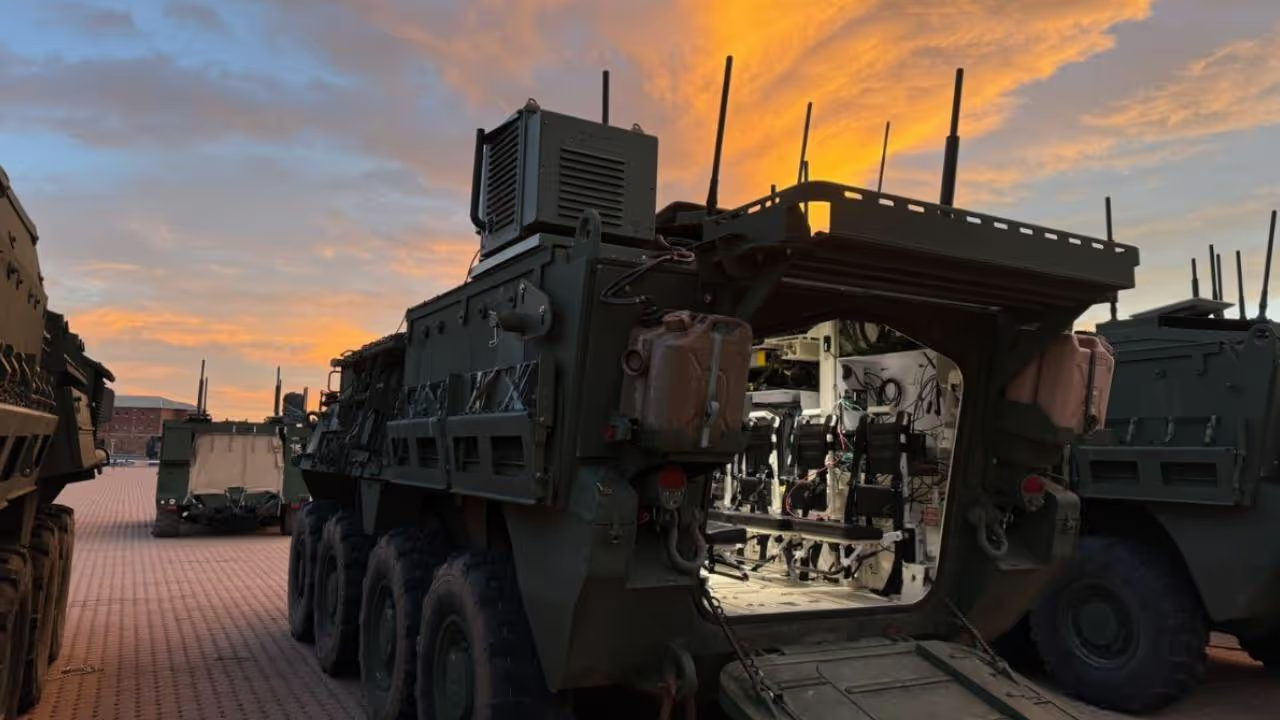
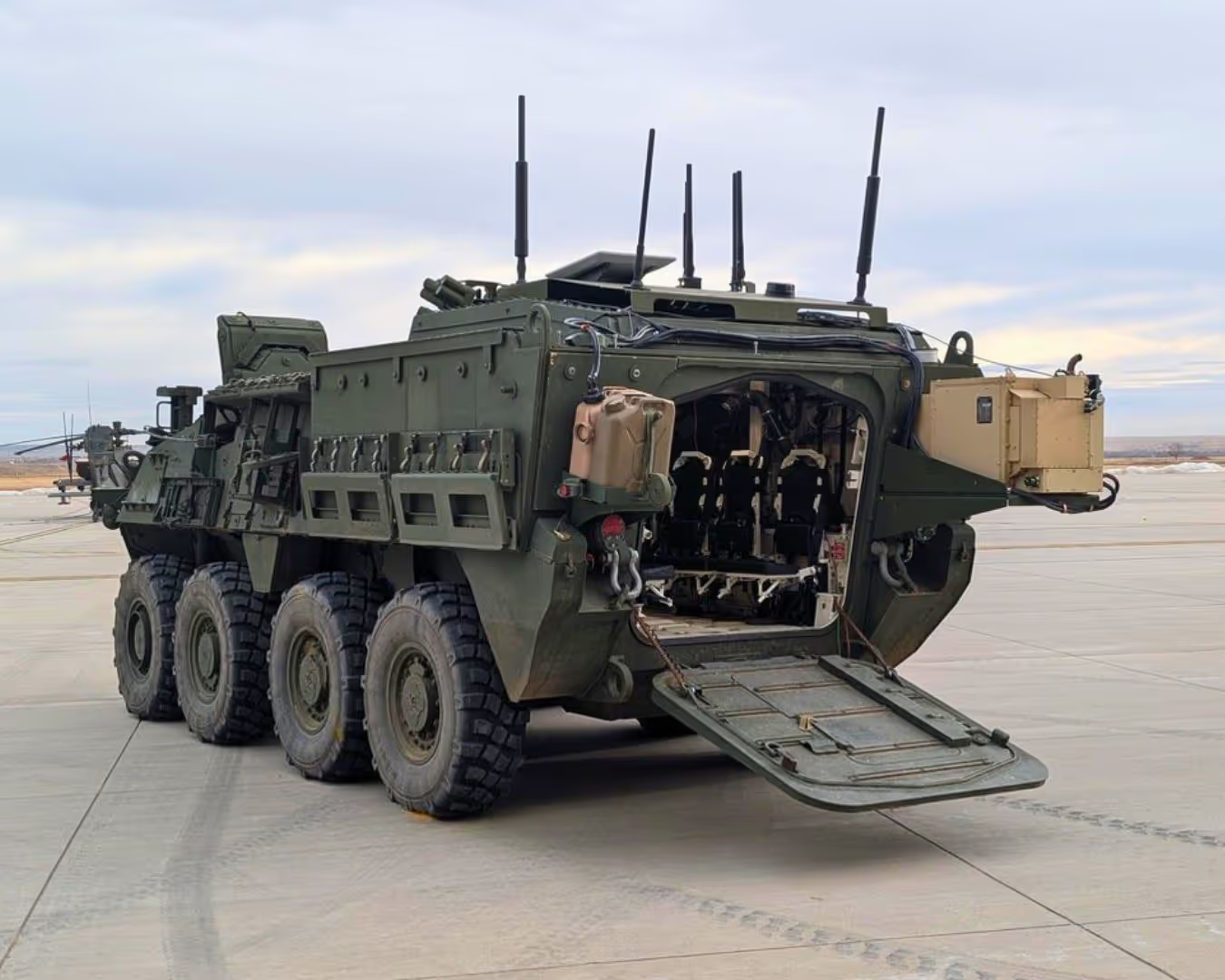
Built for maneuver formations at brigade and below: Stryker, Mobile, and Armored Brigade Combat Teams, where command posts are clusters of vehicles that disperse and re-aggregate, and organic, vehicle-mounted power is the difference between a capable warfighter and a blind one.
Hybrid Auxiliary Power Units (H-APUs) for mounted C5ISR: Stryker, MASCP, and tactical vehicle integration
- Dismounted tactical gensets for mobile command posts, TOCs, and expeditionary operations
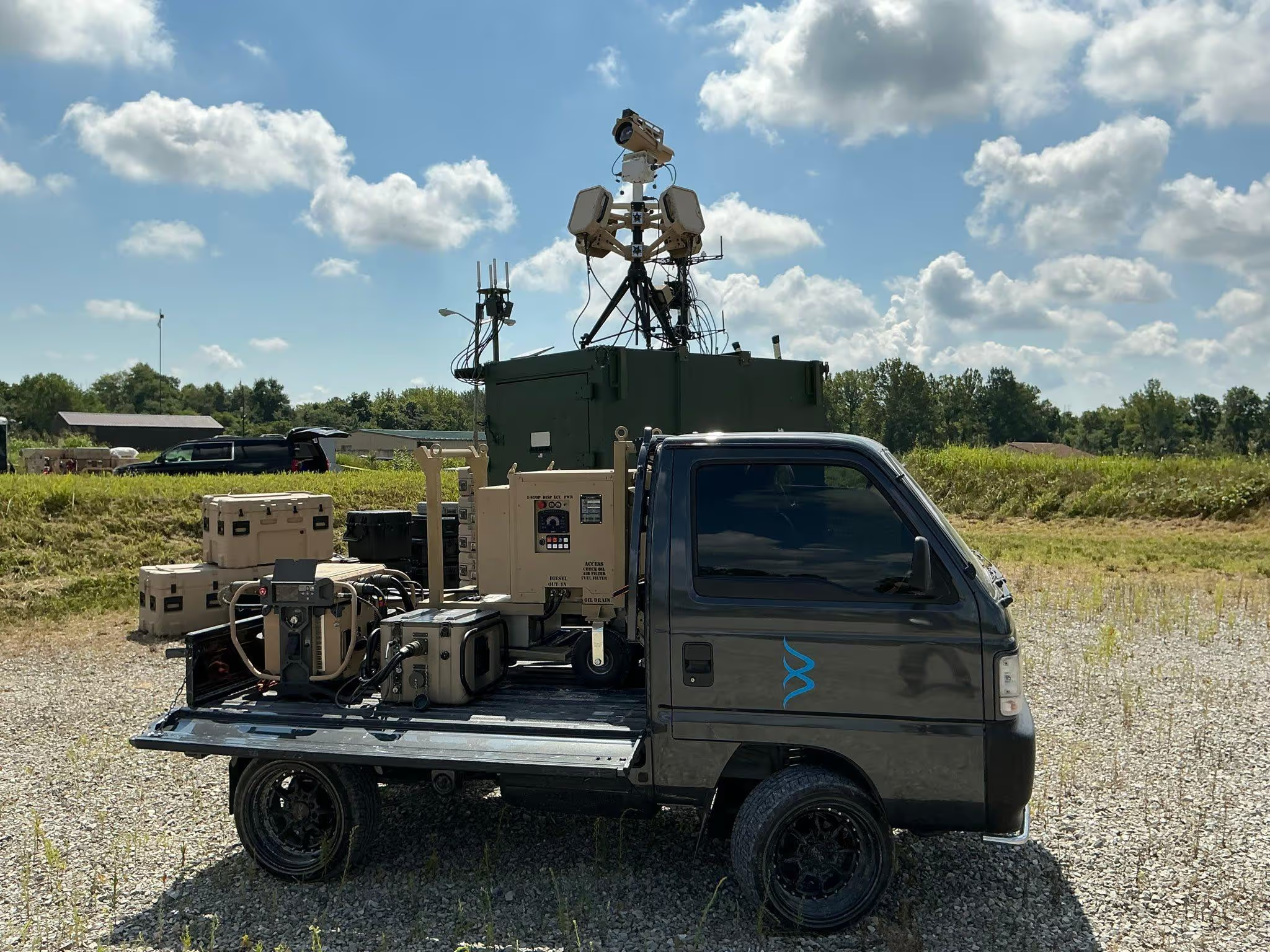
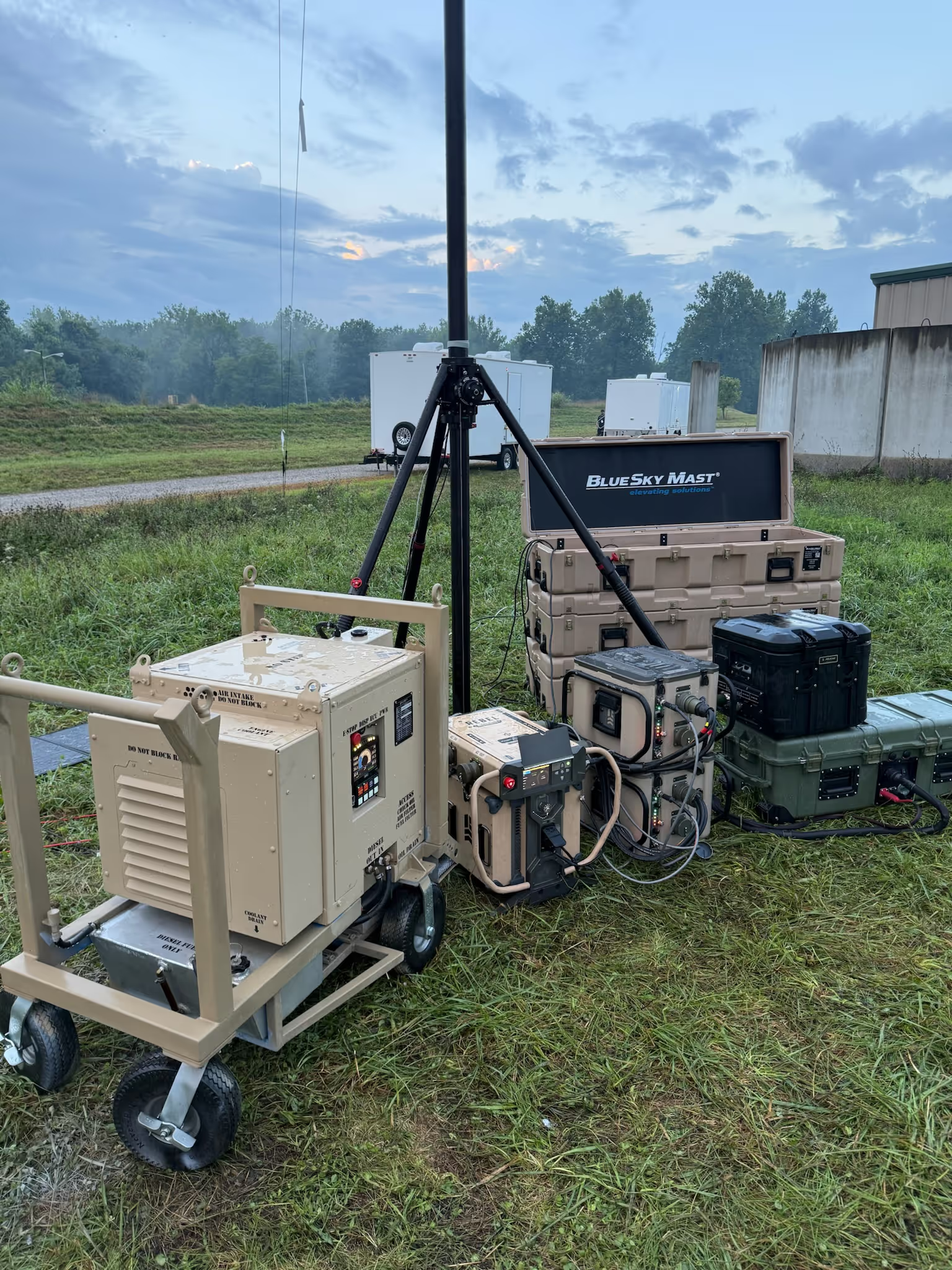
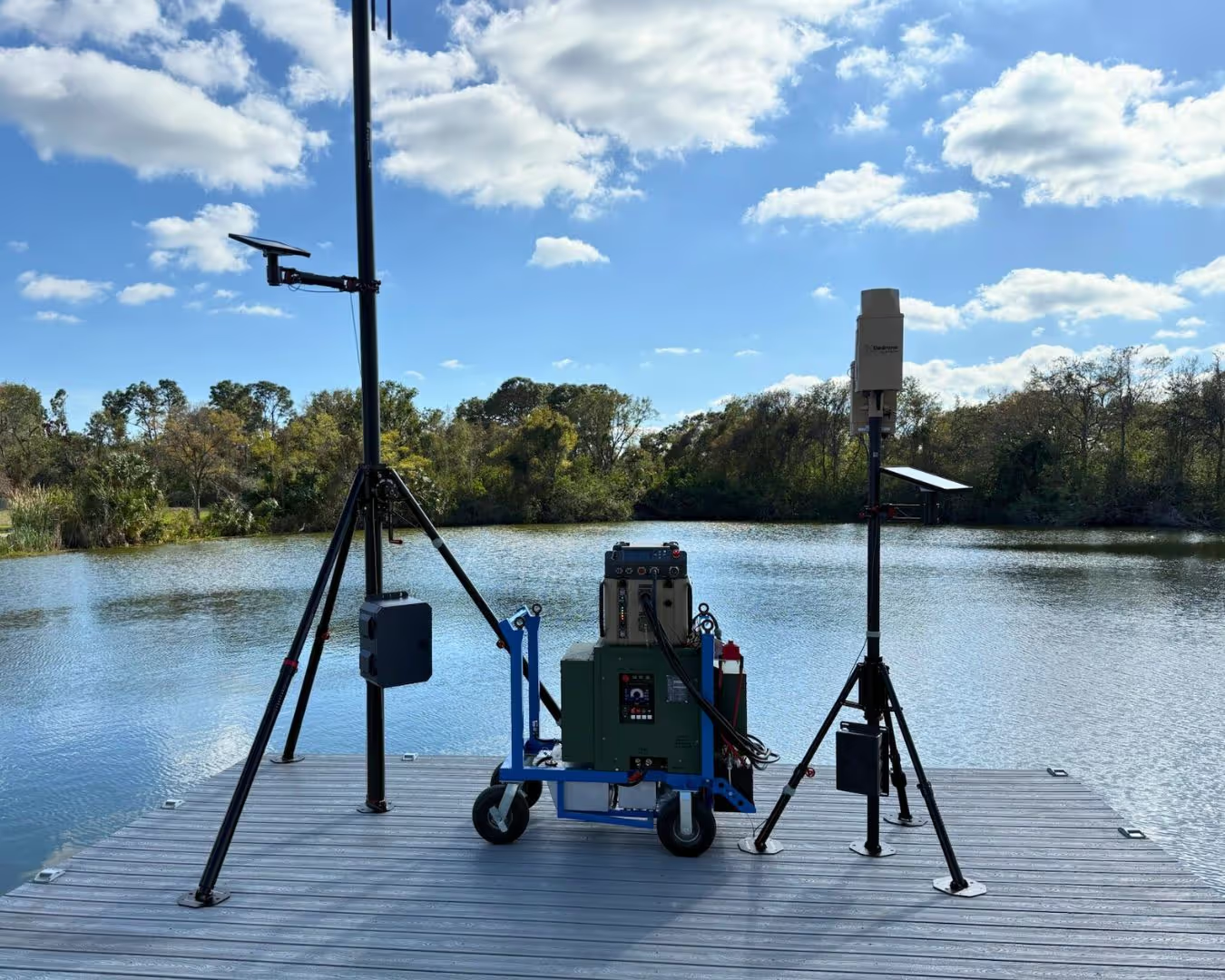
- Integrated power and elevation solutions with BlueSky Mast systems
- Quiet Watch power with auto start-stop and battery integration
- Drone recharge and sUAS power support — on-the-move charging for unmanned systems organic to the formation
- Counter-UAS and EW system power — sustained high-draw loads for sensors and active defeat systems without a dedicated generator trailer
Commercial Applications
- Stationary and mobile generators
- Light towers
- Pleasure and commercial boat APUs
- UTV propulsion engines
The Battlefield Electricity Problem
Why Maneuver Power Is the Army's Next Critical Capability Gap
1,200 lbs
Compared to 48 lbs during Desert Storm. Power demand is structural - and accelerating.
4 of 42
An 82nd Airborne Regiment could sustain 4 out of 42 drones at NTC - not due to platform or operator limits, but because of battery and organic power generation gaps. (82nd ABN, Fort Irwin, Sept. 2025)
No Owner
The Army has not defined a maneuver power requirement. Power is sourced application by application, platform by platform: stovepiped and disjointed. Congress has noticed: the House Armed Services Committee-passed FY27 NDAA mark says the Army "lacks a clear home" for vehicle-mounted auxiliary power.
Every Army modernization priority — counter-UAS, directed energy, autonomous systems, AI-enabled command and control — runs on electricity. Static generators create targetable signatures and tether formations to fixed positions. The force that can generate, store, and distribute power while moving with the maneuver formation holds a decisive advantage.
That capability has a name: Maneuver Power. It starts with a 5 kWe hybrid APU that mounts to the vehicle, runs on JP-8, and moves when the formation moves.
"... electricity has become the most critical enabling commodity in ground combat. Without it, the Army cannot sense, shoot, communicate, compute, or defend."
Electricity as Warfighting Imperative: The Unowned Problem Defining the Next Fight.
White Paper by John Cavedo, Colonel, US ARMY (Retired); Principal 360 Enterprises LLC; February 2026
Facilities
- Diesel Engine Manufacturing / Assembly: Mobile Power, Lexington, NC
- CNC & Additive Manufacturing - Largo, FL
- Strategic Development Partner: Trust Automation, San Luis Obispo, CA
Active Military Customers
The 5 kWe H-APU has been validated in more than 11 Army field exercises and events since mid-2024 — from Arctic Kit cold-weather operations to sustained high-tempo power generation in desert environments. It has been tested where the Army trains to fight.
- Army DEVCOM C5ISR
- Office of the Under Secretary of Defense (OUSD)
- 10th Mountain Division
- 25th Infantry Division (multiple exercises; currently deployed to southern border)
- Program Executive Office Ground Combat Systems (PEO GCS)